Newsletter Subscribe
Enter your email address below and subscribe to our newsletter

 ByJohn A
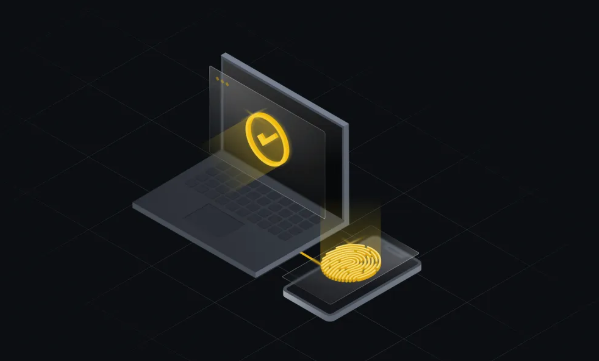
Two-factor authentication adds a second verification step to crypto access beyond a password. It uses time-based codes, hardware tokens, or biometric checks to constrain unauthorized entry. This layer reduces the impact of credential theft on wallets and exchanges. However, implementation details matter for security and usability. The balance between convenience and rigor will influence outcomes as attackers adapt. Consider how 2FA choices shape risk exposure and incident responses in practice.
Two-factor authentication (2FA) adds a second layer of security to crypto accounts by requiring a second form of verification beyond a password. The mechanism reinforces security layers through time-based codes or hardware tokens, reducing phishing risk. It emphasizes user education, clear crypto governance, and robust recovery workflows, while supporting hardware wallets and written procedures to sustain resilience against credential compromise.
See also: techinfoid
Choosing the right 2FA method for wallets and exchanges requires balancing security, usability, and operational fit. A method’s strength depends on threat models, recovery options, and vendor support. Consider security tradeoffs between hardware, software, or biometric factors, and assess device trust in trusted environments. The selection should align with user autonomy, risk tolerance, and enterprise governance, minimizing single points of failure.
The text analyzes 2FA misconceptions affecting crypto custody and emphasizes layered defenses, independent device usage, and trusted backups.
It also outlines robust backup strategies, highlighting offline storage, encryption, and separation of access.
Vigilance remains essential for maintaining freedom and control.
Recovery and resilience in 2FA for crypto accounts hinges on pragmatic troubleshooting approaches that anticipate common failures and user missteps.
The discussion outlines recovery workflows, emphasizing robust backup plans and device-agnostic access.
It also highlights user education pitfalls, stressing clear guidance, timely credential updates, and verification steps to minimize risk while preserving user autonomy and security across diverse environments.
The question: 2FA does not deterministically alter transaction fees or base processing times. It may introduce slight, occasional delays during authentication. Overall, potential impact is marginal, with primarily security benefits and minimal cost implications for users.
Losing access to 2FA triggers significant legal risk implications, as entities may require proof of identity and recovery procedures. 2FA account recovery processes vary; cautious approaches protect rights, yet compliance obligations persist, balancing autonomy with rigorous verification and potential liability.
Internet connectivity is not strictly required for many 2FA methods, though some rely on it for synchronization; hardware integration enhances security but adds potential security risks, impacting user experience and freedom when devices fail or are compromised.
In a suspenseful quiet, hardware security keys tighten multi-exchange logins, limiting breach paths. They bolster disaster recovery and hinge on hardware key durability, yet require consistent user practices, independent device trust, and cautious, freedom-minded risk assessment.
Phishing risks can bypass 2FA on mobile devices in certain scenarios; thus, mobile authentication remains vulnerable if users oversight credentials or devices. The assessment emphasizes cautious implementation, continuous user education, and layered defenses to preserve freedom and security.
In a field where passwords crumble under phishing, 2FA stands as a measured barricade. Yet reliance on one factor remains a risk, so the second becomes the true gatekeeper. Juxtaposing convenience with security, the piece weighs ease of use against resilience—hardware tokens demand discipline, while authenticator apps tempt lag time in recovery. The result is a cautious balance: layered protection improves safety for wallets and exchanges, but ongoing vigilance and robust backups are indispensable.