
Newsletter Subscribe
Enter your email address below and subscribe to our newsletter


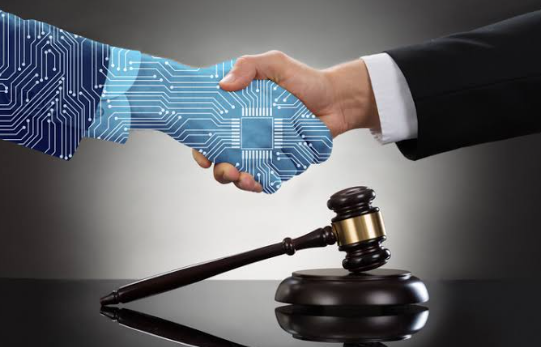
Artificial intelligence is increasingly embedded in legal work, from research and drafting to discovery and workload management. Tools can analyze contracts, verify citations, and reveal patterns to inform risk-aware decisions. Adoption hinges on governance, data provenance, privacy, and audit trails…

Artificial intelligence is reshaping learning assessments by enabling adaptive, data-informed evaluations that align with measurable competencies. Real-time analytics support formative feedback, granular progress tracking, and scalable tutoring, while ensuring student agency remains intact. Yet, concerns about privacy, governance, and bias…

Global approaches to cryptocurrency legality vary widely, reflecting divergent policy objectives and risk profiles. Some jurisdictions formally recognize and regulate crypto activities, while others impose strict bans or uncertain, evolving frameworks. Tax treatment, licensing, and consumer protections differ markedly, influencing…
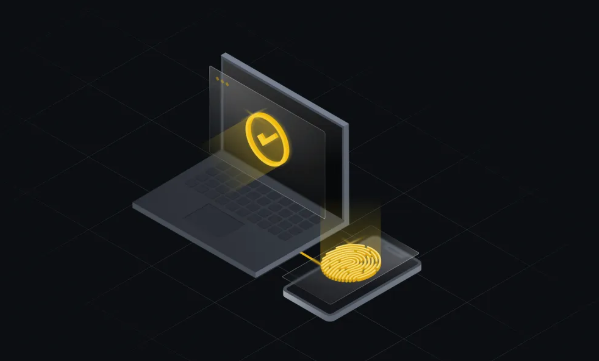
Two-factor authentication adds a second verification step to crypto access beyond a password. It uses time-based codes, hardware tokens, or biometric checks to constrain unauthorized entry. This layer reduces the impact of credential theft on wallets and exchanges. However, implementation…